
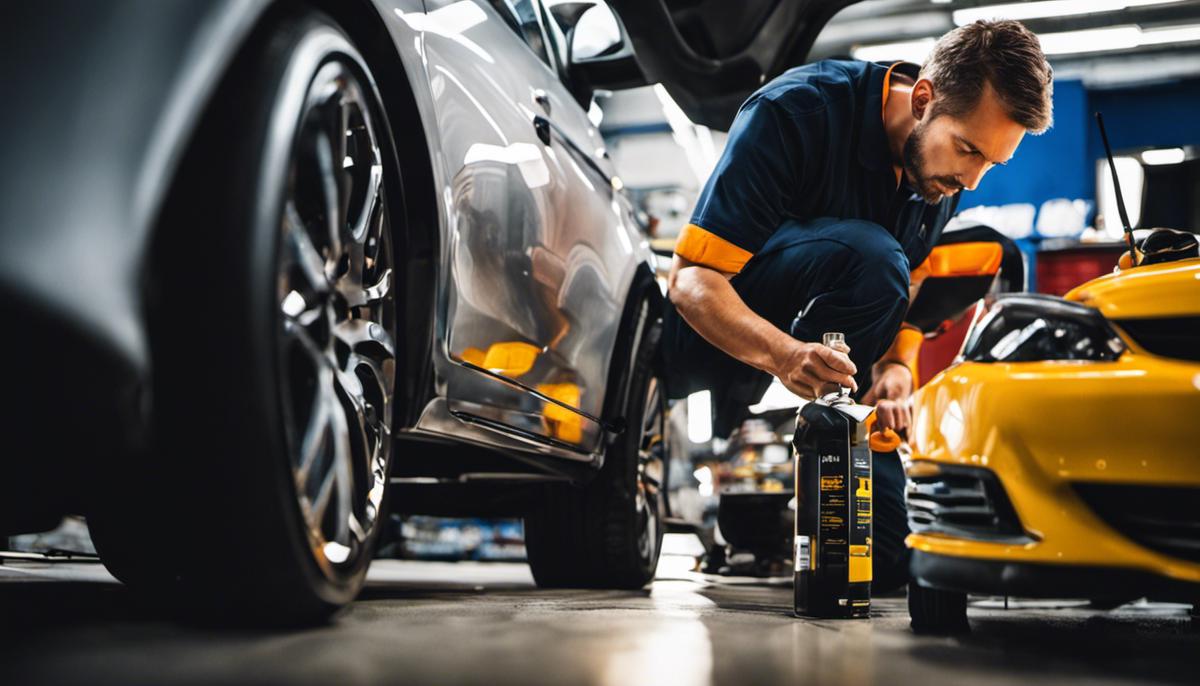
Automobiles are intricate machines designed to deliver convenience and ease. Yet, to ensure an enduring performance and prevent unprecedented mishaps, it becomes crucial to acquire knowledge about on-going maintenance rituals and basic DIY repairs. This essay navigates you through the critical aspects of regular vehicle inspections, enlightens you about a few basic repairs that you can do by yourself, and emphasizes the significance of adhering to the manufacturer’s prescribed maintenance schedule for your vehicle. Exploring these topics will boost your confidence, foster proactive habits and transform you from a hobbyist to an expert who is well-immersed in managing car maintenance.
Regular Vehicle Inspection
Title:Mastering the Art of Regular Vehicle Inspection: Your Key Areas to Focus on
Welcome fellow motor enthusiasts! There’s a feeling of satisfaction that comes with mastering the art of regular vehicle inspection. Few strokes of our hands over our vehicle’s surfaces or the deep dive under the hood, and we’re suddenly connected to the lifeforce of our mean machine. So let’s immerse ourselves in this essential ritual that keeps our iron steeds purring like a kitten and conquering the asphalt just as they were designed to do.
1. Start with the Exterior
Being the first line of defense, the exterior bears the brunt of everyday wear and tear. Pay keen attention to potential rust spots, chips, or cracks on the windshield or windows. Check all the lights — headlights, turn signals, brake lights, reversing lights, and even license plate illumination lights. Don’t forget to inspect tires for correct pressure, tread depth, and any visible damage.
2. Dive into the Engine Compartment
Our vehicle’s beating heart! Be careful, though, there’s a lot going on here. Here’s what to focus on:
- Fluid levels: This includes engine oil, brake fluid, power steering fluid, transmission fluid, and coolant. These are crucial for smooth functioning, so it’s essential to always keep them topped up to the appropriate level.
- Belts and Hoses: Check for visible cracks, fraying, or worn-out sections. Early detection can prevent expensive replacements and breakdowns.
- Battery and Terminals: Look for corrosion around the battery terminals. The battery itself should be securely mounted.
3. Examine the Interior
Post engine, it’s time to sit back and relax — literally. Hop inside and examine the seat belts for wear. Look for any warning signs on your dashboard when the engine is running. Check your AC, heater, and defroster. Test the soundness of all of your vehicle’s electronic systems — from the radio to power windows and doors.
4. The Chassis and Brake System
A slightly deep delve here, but take a look at your brake linings, rotors, and drums. Also, check parts closely related to steering and suspension components. These might need a professional hand if things seem a bit off. Remember, it’s always safety first.
So there you have it! The key areas to focus on during your regular vehicle inspection routine. A little time, a little effort, and there you are, ensuring optimum health and longevity for your beloved ride. Remember, regularity is key. Like looking after a pet, consistent care makes all the difference. Be diligent, be thorough, and the open road is ours to conquer. Happy riding, folks!

Understanding Basic DIY Repairs
Article:
“Stepping up Your Maintenance Game: Simple DIY Car Repairs”
So, you’ve already mastered the inspection process and have a keen eye for catching those rust spots or chips on the windshield. It’s time to up your game and venture into some light, but incredibly useful do-it-yourself maintenance. Let’s dive in!
1. Changing a Flat Tire:
An essential do-it-yourself task every car owner should know is how to change a flat tire. If a tire bursts while on a road trip or in an area with no help nearby, this skill can be a lifesaver. The process involves removing the flat tire using a car jack and lug wrench, then replacing it with your spare. Remember to tighten the lug nuts securely to avoid any mishaps.
2. Changing Spark Plugs:
While somewhat involved, changing spark plugs can help improve a vehicle’s performance and fuel efficiency. Get familiar with your car’s manual to identify where the spark plugs are located. remove the old ones using a spark plug socket and ratchet, and replace with new spark plugs careful not to overtighten.
3. Changing Air Filters:
A vital element in clear airflow and engine longevity is the air filter. If it’s dirty and not replaced timely, the car’s performance can decrease. Typically, it’s located in a black box near the engine. Open the box, remove the old filter, and replace it with a new one.
4. Addressing Car Battery Issues:
If you’ve got a car that refuses to start, a faulty battery might be the culprit. A common solution is jump-starting the car using jumper cables and another vehicle. However, sometimes, a simple cleaning of the battery terminals might do the trick too. Use a toothbrush with a mixture of baking soda and water, scrub lightly, and then rinse with plain water.
5. Replacing Windshield Wipers:
No one wants a smeared windshield in a downpour! Windshield wipers should be replaced every six months to a year. It’s an easy fix. Just remove the clip holding the old blade, slide it off, and then slide on the new one until it clicks into place.
6. Changing Brake Pads:
This is a bit more complicated than the others, but it can save you a significant amount of money if you can manage it. The process involves removing the wheel, the caliper, and finally, the old brake pad. Once replaced with the new brake pad, reassemble everything carefully.
Embarking on these repairs might seem daunting at first, but with some practice and patience, you’ll soon understand and appreciate the intricate workings of your beloved vehicle. Remember to always prioritize safety when performing these tasks and never hesitate to seek professional help when uncertain. Welcome to the next level of car maintenance, fellow car enthusiasts!

Understanding Your Vehicle’s Maintenance Schedule
Understanding the Maintenance Schedule
When it comes to your vehicle’s longevity and performance, nothing is more crucial than adhering to the maintenance schedule. Just like going for regular check-ups for your health, your car requires consistent care to ensure it’s always in great condition. The maintenance schedule is typically outlined in the vehicle’s owner’s manual, providing a roadmap for how often specific components of your car need servicing.
The Importance of Regular Maintenance
Regular maintenance is vital for various reasons. It helps prevent minor problems from escalating into major issues, saving you from expensive repairs in the long run. It also ensures maximum fuel efficiency, saving you money at the gas pump. Moreover, regular maintenance extends the lifespan of your vehicle and helps maintain its value over time. It also plays a pivotal role in ensuring the safety of the vehicle – a poorly maintained car can lead to dangerous situations on the road.
Reviewing the Drive Belt and Timing Belt
The purpose of the drive belt is to run various accessories attached to the engine, such as the power steering pump, alternator, and air conditioning compressor. The condition of this belt is essential for the correct functioning of these elements. A worn-out drive belt can cause serious damage and should be replaced as necessary.
The timing belt, on the other hand, plays a crucial role in ensuring the engine’s valves open and close at the correct times. Both these belts should be inspected regularly and replaced according to the recommendations in your vehicle’s owner’s manual.
Importance of Tire Rotation and Wheel Alignment
One crucial aspect of vehicle maintenance is tire rotation and wheel alignment. Regular tire rotation can significantly extend the life of your tires by allowing them to wear evenly. Uneven tire wear can lead to poor gas mileage and a rough ride or even cause the wheels to become misaligned.
Similarly, wheel alignment helps ensure your vehicle handles correctly while preventing your tires from wearing out prematurely. Misaligned tires can cause your vehicle to pull to one side or the other, compromising your control and safety.
Remembering Other Minor Components
Don’t forget to pay attention to the “little things” like wiper blades, cabin air filter, and vehicle lights. While often overlooked, these components play vital roles in maintaining optimal visibility and air quality within the car and ensuring your vehicle is visible to other motorists.
Indeed, adhering to your vehicle’s maintenance schedule is vital for ensuring your car’s longevity, safety, and performance. Just as you wouldn’t neglect routine check-ups for your health, your vehicle requires consistent care to remain at its best. As you can see, consistent vehicle maintenance isn’t just about keeping your car running; it’s about ensuring a smooth, safe, efficient journey every time you hit the road.

Your journey towards becoming a skilled automobile maintenance enthusiast locates its foundation in understanding and implementing the knowledge shared within these areas of focus. By scheduling routine inspections, you can claim control of your vehicle’s health, add longevity, and enhance its performance. Furthermore, performing DIY repairs not only saves cost but also builds self-reliance. Ultimately, following the vehicle’s maintenance schedule religiously facilitates a smooth driving experience, boosting your confidence on the road. By inculcating these practices, you’re not only saving dollars but creating a safer and efficient driving environment for everyone around.